
Up to 83% Less Heat Loss
Triple glazing (U 1.0) reduces heat loss through glass by 83% versus single pane (U 5.8). Low-E double glazing delivers 69% at roughly half the price — the optimal trade-off for most Melbourne homes.
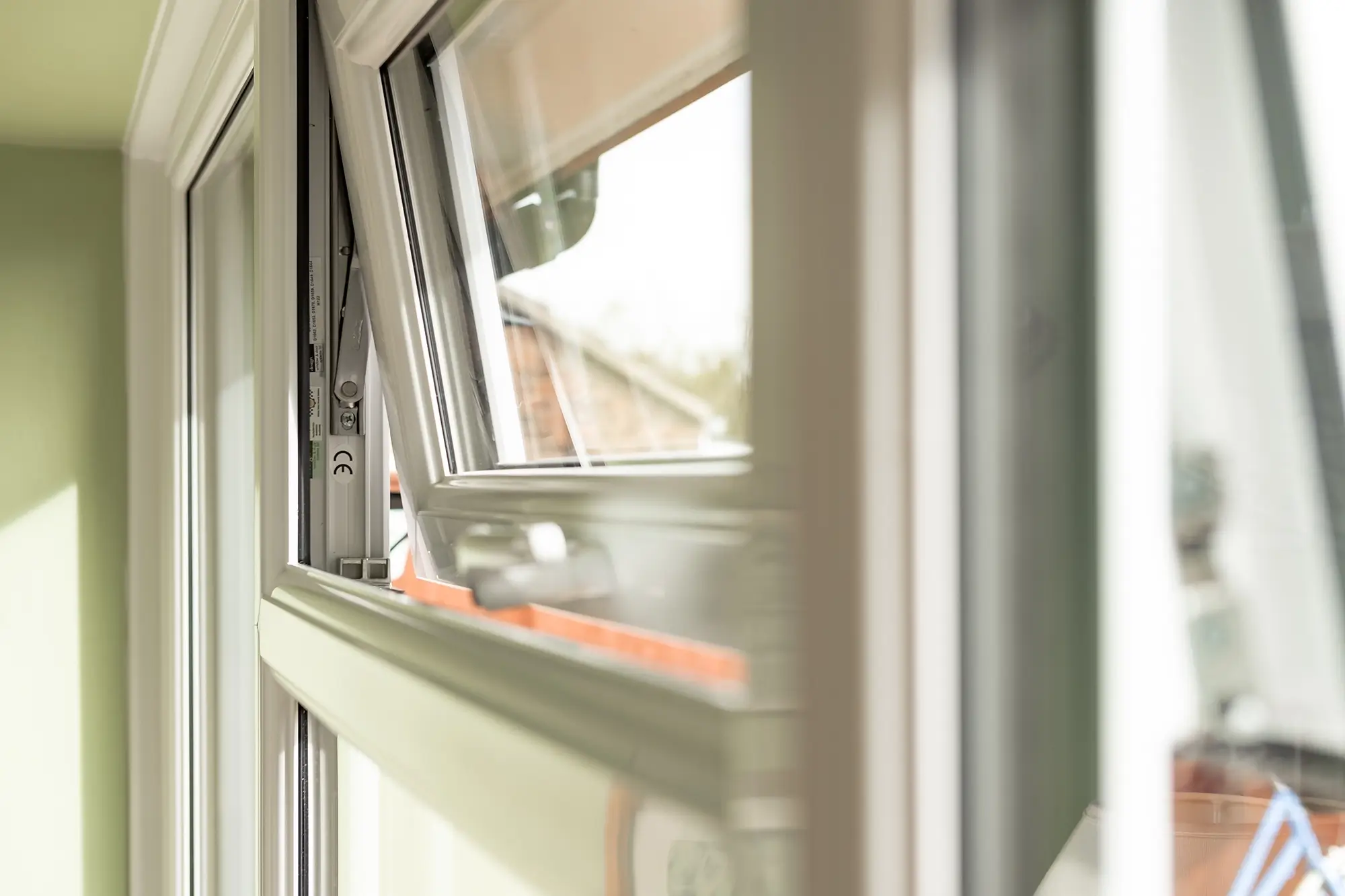
Low-E double glazing from $595/m² — 69% less heat loss. VEU rebate applied at invoice.
Thermal Performance
Triple glazing (U 1.0) reduces heat loss through glass by 83% versus single pane (U 5.8). Low-E double glazing delivers 69% at roughly half the price — the optimal trade-off for most Melbourne homes.
A microscopically thin metallic oxide coating on the inner pane face reflects infrared radiation back into the room in winter and back outside in summer. Invisible to the eye. No reduction in natural light.
Single-pane glass in Melbourne winter reaches 4–6°C — cold enough to create a convection draft across the floor. Low-E double glazing keeps the inner pane at 14–18°C, ending the radiative cold that makes rooms feel colder than the thermostat reads.
Tinted Low-E and Triple Glazed both qualify for the Victorian Energy Upgrades program. We lodge the paperwork — your invoice arrives already reduced by $300–$900 depending on your home's heating zone.
All our double-glazed units include argon gas fill between the panes as default. Argon is denser than air and conducts heat more slowly, contributing to the rated U-value. No upcharge, no upgrade required.
Melbourne customers report $150–$200 per quarter in energy savings after a full home retrofit. Net of the VEU rebate, payback is typically 5–7 years — and every year after that is pure saving.
Thermal Performance
Lower U-value = less heat escaping in winter, less heat entering in summer. Tested to AS/NZS 4666.
Single Pane (existing)
Baseline — what you have now
Standard Double Glazing
Year-round baseline improvement
Acoustic Laminated
Noise priority + thermal gain
Tinted Low-E Double
West/north-facing rooms, bill reduction
Triple Glazed
Maximum efficiency, Hills & Ranges
Lower U-value = better insulation
Tested to AS/NZS 4666
Tinted Low-E is the recommended spec for Melbourne energy performance — compare all four tiers and their U-values.
Reliable thermal and acoustic baseline for most Melbourne homes.
Best for: Most homes, balanced performance
Learn moreMaximum thermal control for west-facing or solar-heavy rooms.
Best for: Hot rooms, energy bill reduction
Learn moreSpecialist glass for traffic, planes, and neighbour noise.
Best for: Busy roads, flight paths, party walls
Learn morePremium thermal and acoustic performance for full home comfort.
Best for: Maximum energy efficiency, cold climates
Learn moreFrom energy problem to efficient home — four steps, one day.
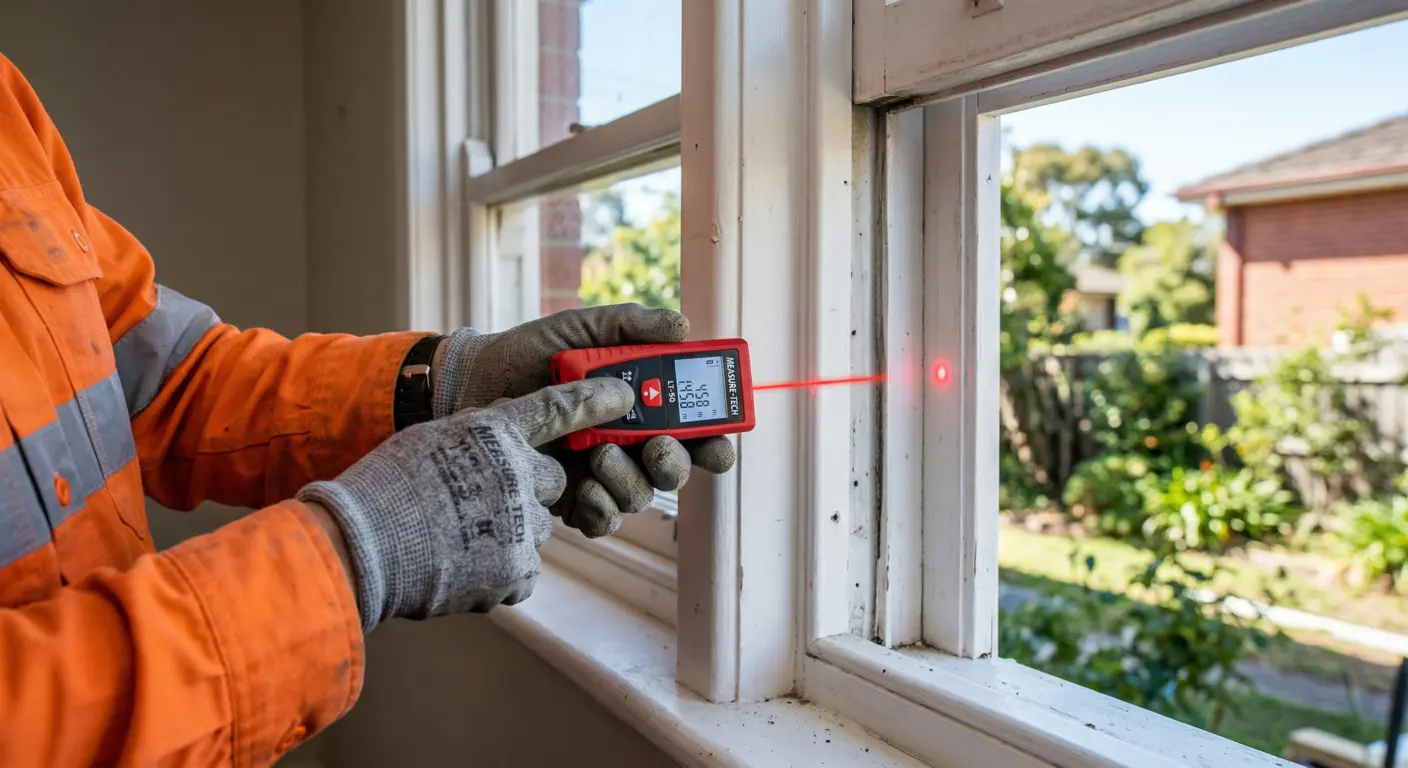
Enter your window dimensions into our Instant Estimate Tool. Get a transparent price in 60 seconds — no site visit required.
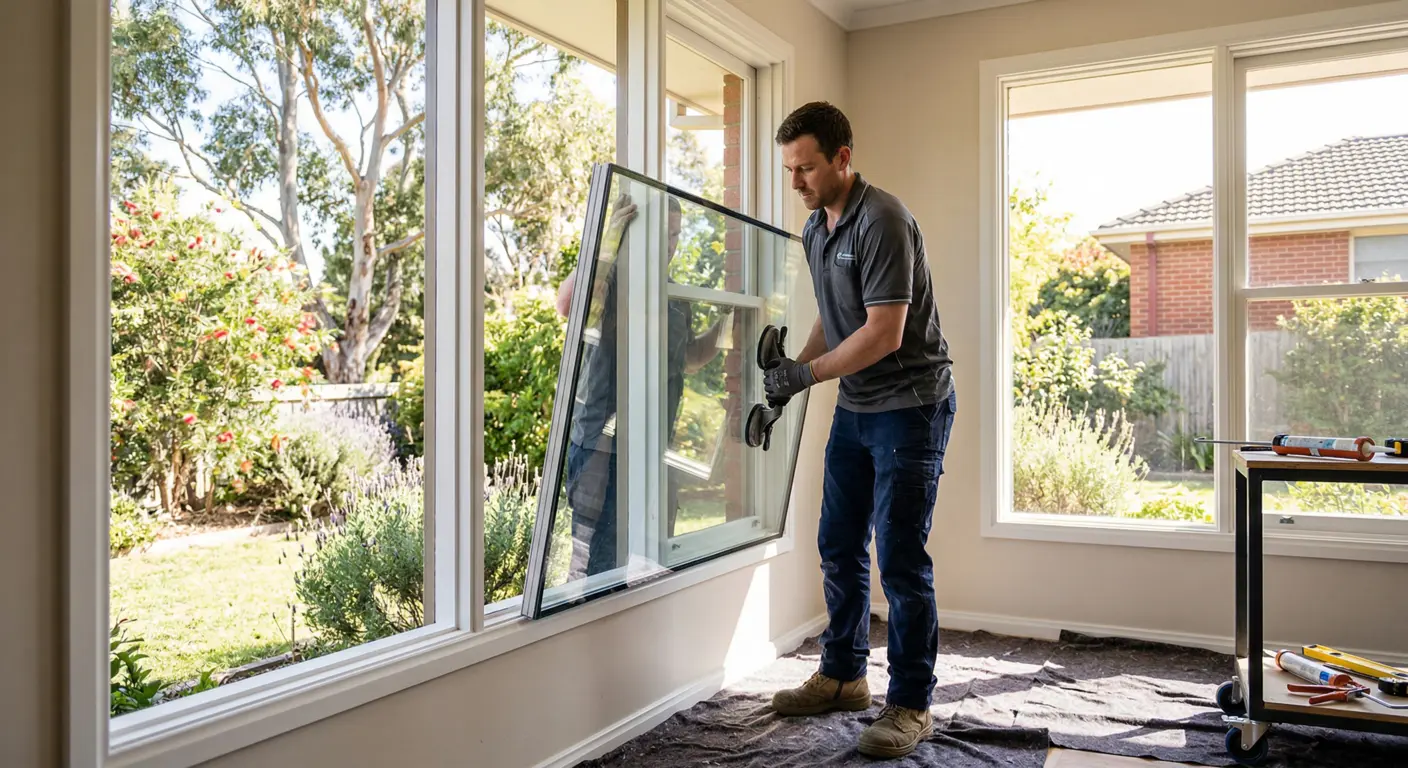
A King technician reviews your submission. You receive an itemised quote within 24 hours. No vague estimates, no pressure.
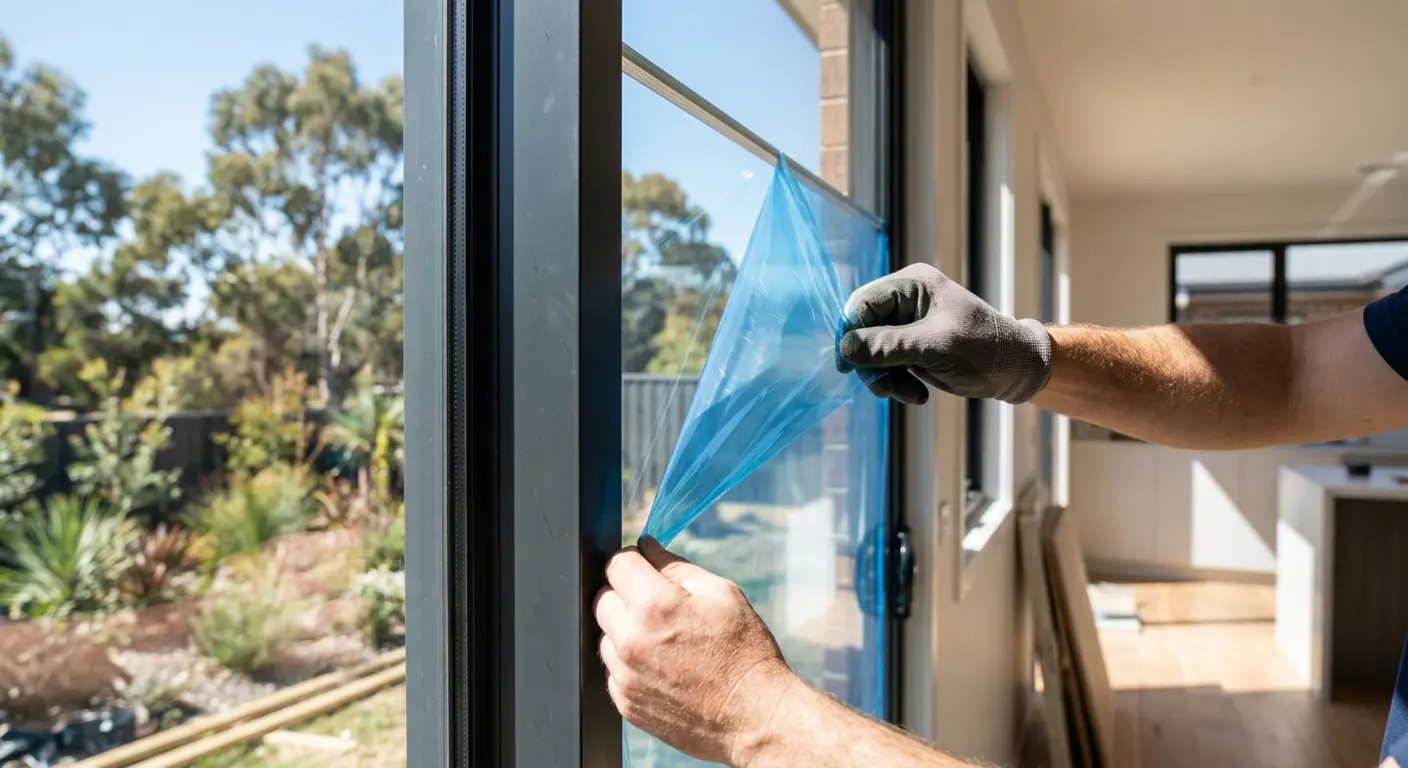
Our crew fits new double-glazed units directly into your existing frames. One day. No structural work. No mess.
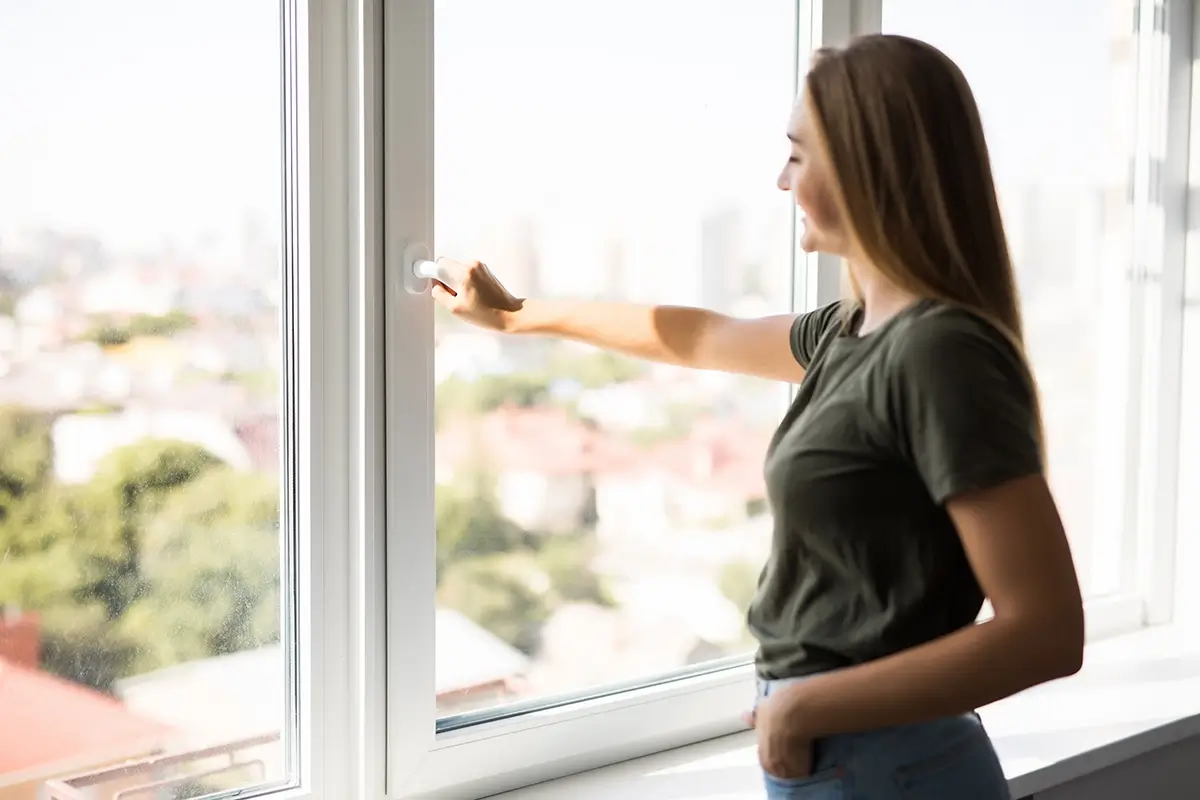
Lower energy bills from day one. Quieter rooms. Government rebate paperwork handled by us.
Customer Reviews
Melbourne customers who installed energy efficient glazing for thermal comfort and cost reduction.
5.0 · 12 Reviews · Google
Heating bill dropped noticeably in the first month. Our Victorian terrace was a nightmare to heat — now the lounge actually holds temperature overnight. The retrofit took one day and the crew left the place spotless.

Sarah M.
Fitzroy North · Google
West-facing bedroom was genuinely unusable in summer — 34°C at 9pm. Tinted Low-E glass has fixed it completely. Air con barely runs now. The estimate tool online gave me the exact price before anyone even came out.
Anna P.
Camberwell · Google
Our gas bills were brutal every winter — the old single-pane windows were just radiating cold into the rooms. We went with Low-E double glazing throughout. First winter after: $380 less on gas over the quarter. The house holds heat in a way it never did before. We wished we'd done it when we bought the place.
Rob & Diane F.
Glen Waverley · Google
I was skeptical about the energy saving claims — they always sound too good. But the condensation alone proved the point: zero condensation on the inner pane since installation, where before it was streaming every winter morning. The heating runs half as often. The numbers are real.
Yasmin T.
Northcote · Google
We'd been putting off doing anything about the windows in our Canterbury home for years because we assumed it meant replacing the original frames. The retrofit option was a revelation — the frames stay, only the glass is upgraded. Our heating bills dropped by over $300 last winter and there's no more condensation on the inside of the glass in the mornings.
James & Louise W.
Canterbury · Google
Our 1960s brick veneer in Burwood was genuinely cold in winter — single-pane windows radiating cold air into every room. Tas quoted a fair price, the job was done in one day, and the results were immediate. First cold snap after installation the house stayed at temperature without the heater running constantly. Paid for itself within two winters.
Stephen & Anne R.
Burwood · Google
We'd had quotes from two other glaziers and both came back with full window replacement recommendations. Tas told us our aluminium frames were structurally sound and all that needed changing was the glass unit inside — saving us nearly $8,000. The thermal performance is the same as a full replacement. Can't understand why no one else mentioned the retrofit option.
Andrew & Lyn P.
Ringwood · Google
Our Toorak home has original inter-war leadlight and timber windows throughout — many irreplaceable. I was worried that improving thermal performance meant compromising the original fabric of the house. Tas was very clear that the retrofit keeps every original frame in place and only changes the glazed unit. The house is noticeably warmer this winter without any alteration to its character.
Patricia M.
Toorak · Google
Templestowe winters are noticeably colder than the inner suburbs and our west-facing rooms were getting punished every summer afternoon as well. Low-E double glazing has solved both problems — the west rooms are usable in summer now and we've cut our heating runtime in winter by roughly half. Exactly what it said on the tin.
Greg & Sarah D.
Templestowe · Google
Our Vermont home from the 1960s had terrible condensation every winter morning — streaming down the inside of every window. We'd been told it was 'just what older homes do'. It's not — it's a symptom of heat loss through single-pane glass. No condensation since the retrofit. The heating bills have dropped meaningfully and the house feels genuinely different.
David & Carol M.
Vermont · Google
We bought our Wantirna place knowing the windows needed attention but kept deferring it. When we finally got Tas out he gave us a straight assessment — aluminium frames in good condition, just needs the glass upgraded. The retrofit was far cheaper than what we'd mentally budgeted for full replacement. The house is warmer, and the electricity bill this winter confirmed it.
Tony & Barb N.
Wantirna · Google
Wheelers Hill gets genuinely cold in July and August and our family home was losing heat fast through original single glazing. King retrofitted the entire house — 14 windows — in one long day. The first month's gas bill after installation was $210 less than the same month the year before. That kind of direct cost saving makes the job feel like an easy decision in hindsight.
Liz & Michael C.
Wheelers Hill · Google
FAQ
Straight answers on U-values, Low-E coatings, and Melbourne energy savings.
Melbourne's climate zone (zone 6) benefits most from U-values below 2.0 W/m²K. Standard double glazing (U 2.7) is a meaningful improvement over single pane (U 5.8) but Tinted Low-E (U 1.8) is the sweet spot for Melbourne — you get 69% less heat loss than single glazing at a modest premium over standard double. Triple glazed (U 1.0) is warranted if you're in the Dandenong Ranges or running a high-efficiency home with a building envelope to match.
Low-E (low emissivity) glass has a microscopically thin metallic oxide coating applied to the inner face of the outer pane. This coating reflects long-wave infrared radiation — the heat radiating from warm surfaces — back into the room in winter, and reflects solar infrared back out in summer. The result: heat stays on the side of the glass where you want it. The coating is invisible to the eye and doesn't affect natural light transmission.
U-value measures how much heat conducts through the glass (in either direction) — lower is better. Solar Heat Gain Coefficient (SHGC) measures how much solar radiation passes through the glass — lower blocks more solar heat, which is usually what you want in west-facing or north-facing rooms. Low-E double glazing optimises both: U 1.8 and SHGC around 0.32, versus single pane at U 5.8 and SHGC 0.86. For south-facing rooms in Melbourne where passive solar gain is desirable in winter, a higher SHGC may be preferable — we can advise per elevation.
Our customer survey data shows 35–42% reduction in quarterly energy bills for Melbourne homes that replace all windows. Individual results depend on how much of your current heat loss is through glass (typically 40% in a poorly insulated home) versus ceiling and walls. The improvement is most dramatic in homes with large north or west-facing window areas, older single-pane sashes with no sealing, and those using electric resistance heating rather than a heat pump.
Argon fill improves the U-value of a standard double-glazed unit from roughly 2.8 (air-filled) to 2.7 (argon-filled) — a marginal improvement. The meaningful gains come from the Low-E coating, not the gas fill. All our standard units include argon as default because the cost difference is negligible at manufacturing stage. If you're specifying triple glazing, krypton fill can push the U-value to 0.7, which is worth discussing for whole-house passive-house level projects.
West-facing windows benefit most from Low-E in Melbourne — afternoon summer sun at low angles drives extreme heat load into rooms that are already warm. North-facing windows also benefit in summer but ideally with a slightly higher SHGC to retain passive solar gain in winter. South-facing windows lose heat year-round with minimal solar gain, making U-value the dominant consideration — standard Low-E double glazing handles this well. East-facing windows are moderate; Low-E adds comfort without being critical.
Yes. Retrofit double glazing with a qualifying U-value qualifies for the Victorian Energy Upgrades program. Tinted Low-E (U 1.8) and Triple Glazed (U 1.0) both meet the threshold. The rebate is calculated per unit of energy saved and typically offsets $300–$900 on a standard Melbourne home. We manage the registration and paperwork — you receive a reduced invoice rather than a rebate you lodge separately.
Yes — for interior condensation. Condensation forms when warm, moist interior air contacts a cold surface. Single-pane glass in Melbourne winter can reach 4–6°C, well below the indoor dew point. Double glazing with Low-E keeps the interior glass surface at 14–18°C in the same conditions, above the dew point. Interior condensation stops. Exterior condensation (on the outer pane on clear winter mornings) can actually increase slightly with energy efficient glass — because the outer pane stays colder than before. This is normal and indicates the glass is working.
For most Melbourne homes, Low-E double glazing (U 1.8) captures 85–90% of the energy benefit of triple glazing (U 1.0) at roughly 65% of the cost. Triple glazing makes strong economic sense if you're building or renovating to a 7+ NatHERS star target, if you have a very large glass area, or if your home is in the Hills or Yarra Ranges where heating degree days are significantly higher than metropolitan Melbourne. For inner and middle suburbs, Low-E double is the right call on ROI.
For a typical Melbourne home installing Tinted Low-E double glazing: the energy saving is $150–$200 per quarter on average, giving a payback period of 5–7 years on the net-of-rebate cost. Triple glazing typically runs 8–10 years to payback on energy savings alone. Both figures improve if energy prices rise (which they have consistently) and if you account for comfort value and resale premium — Victorian property research consistently shows double glazing adds more than its installed cost to assessed property value in inner and middle suburbs.
Low-E double glazing from $595/m². VEU rebate applied at invoice. Transparent, itemised estimate in 60 seconds.
✓ No site visit required
✓ Price locked at quote
✓ 10-year warranty
✓ Melbourne-wide