
Half the Perceived Loudness
Acoustic laminated glass achieves Rw 42 — a 16 dB improvement over single glazing. Every 10 dB halves what your ear registers. The tram line becomes background. The freeway becomes manageable.
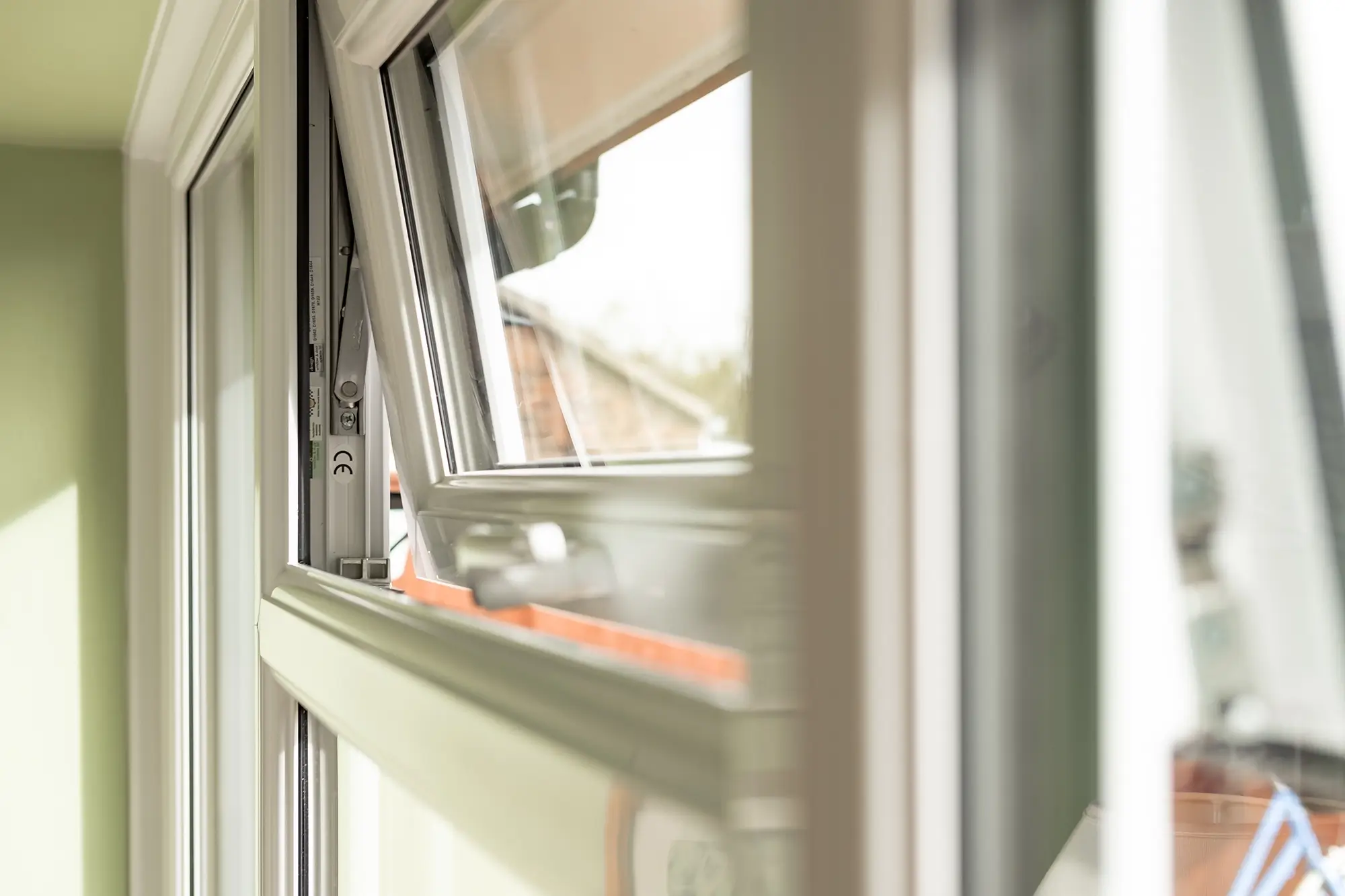
Acoustic laminated double glazing — Rw 42. Traffic, trams, and flight paths. One day, from $645/m².
Why Acoustic Glazing
Acoustic laminated glass achieves Rw 42 — a 16 dB improvement over single glazing. Every 10 dB halves what your ear registers. The tram line becomes background. The freeway becomes manageable.
Standard double glazing has a resonant frequency weakness at 2,000–4,000 Hz where noise actually spikes through. The laminated PVB interlayer damps that resonance — particularly effective on voices, traffic rumble, and public transport.
Acoustic units install directly into your existing frames. No structural work, no replastering. A standard Melbourne home is done start-to-finish in a single visit.
Specified for arterial roads, tram corridors, flight paths, and party walls. We can specify asymmetric pane thicknesses for extreme low-frequency environments — freight rail, nightclub walls.
Acoustic laminated glazing at $645/m² installed — roughly $150/m² more than standard double. For a bedroom with two windows, that's around $300 extra for a night's sleep back.
The acoustic performance of the unit depends on a perfect factory seal. We guarantee that seal in writing for 10 years — if the unit fogs or loses integrity, we replace it at no cost.
Acoustic Performance
Every configuration tested to Australian Standard AS/NZS 1276.1. Higher Rw = less noise through the glass.
Single Pane (existing)
Baseline — what you have now
Standard Double Glazing
Quiet streets, light suburban traffic
Tinted Low-E Double
Light traffic + solar heat control
Acoustic Laminated
Trams, arterials, planes, party walls
Triple Glazed
General noise + maximum thermal
Every 10 dB = half perceived loudness
Rw per AS/NZS 1276.1
Every tier includes Rw ratings. Acoustic Laminated is the recommended spec for noise — but compare all four.
Reliable thermal and acoustic baseline for most Melbourne homes.
Best for: Most homes, balanced performance
Learn moreMaximum thermal control for west-facing or solar-heavy rooms.
Best for: Hot rooms, energy bill reduction
Learn moreSpecialist glass for traffic, planes, and neighbour noise.
Best for: Busy roads, flight paths, party walls
Learn morePremium thermal and acoustic performance for full home comfort.
Best for: Maximum energy efficiency, cold climates
Learn moreFrom noise problem to quiet room — four steps, one day.
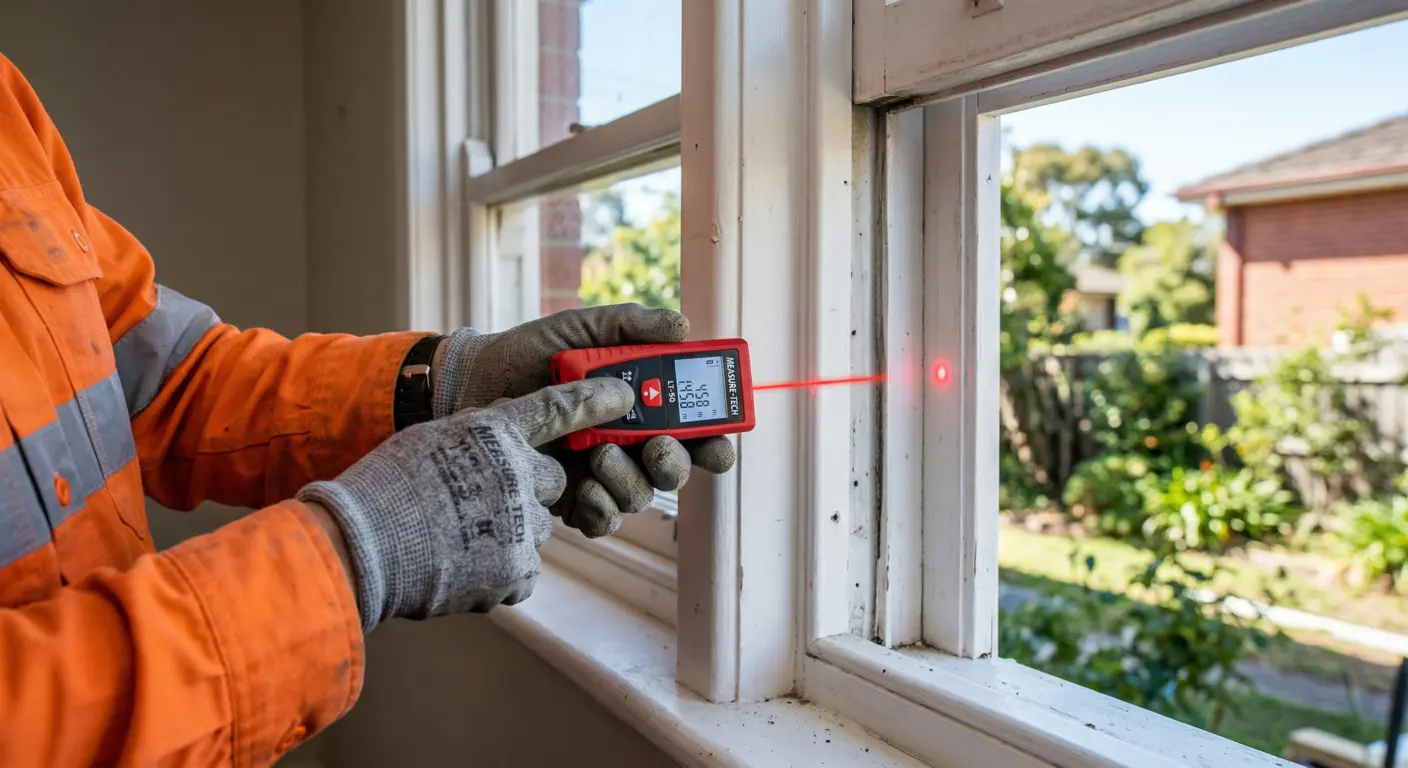
Enter your window dimensions into our Instant Estimate Tool. Get a transparent price in 60 seconds — no site visit required.
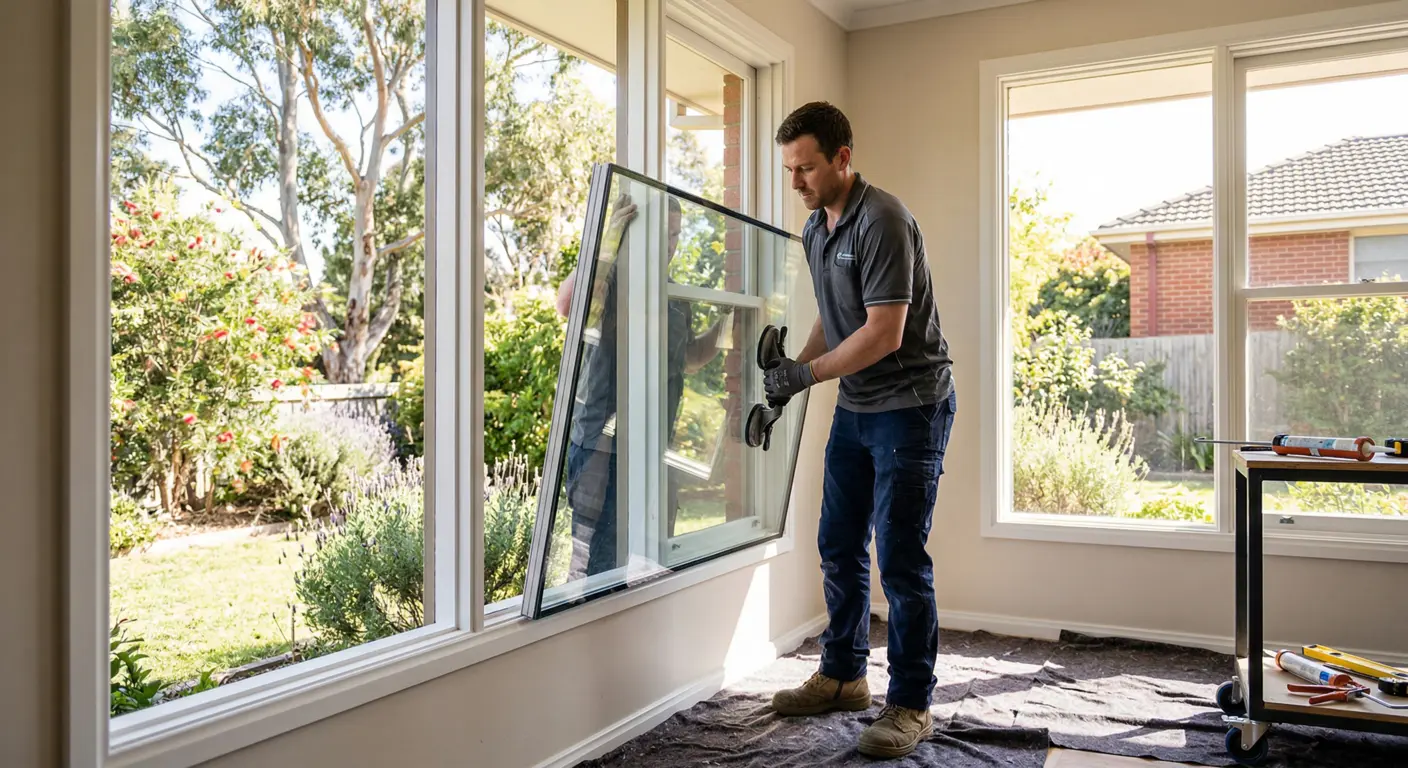
A King technician reviews your submission. You receive an itemised quote within 24 hours. No vague estimates, no pressure.
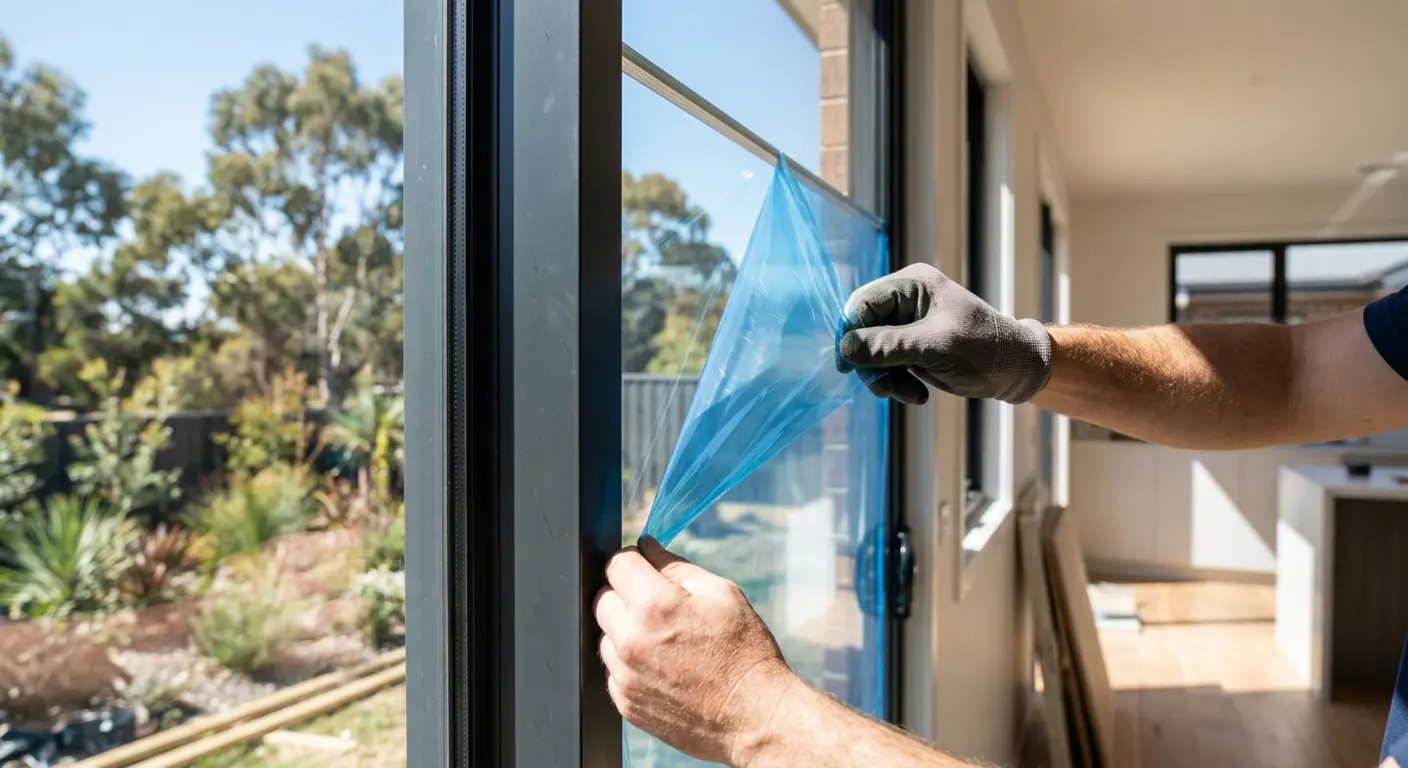
Our crew fits new double-glazed units directly into your existing frames. One day. No structural work. No mess.
Lower energy bills from day one. Quieter rooms. Government rebate paperwork handled by us.
Customer Reviews
Melbourne customers who installed acoustic glazing for noise reduction.
5.0 · 9 Reviews · Google
We live 40 metres from a tram stop. The acoustic difference after the laminated glass went in was honestly shocking. I didn't expect it to be that dramatic. Wish we'd done it ten years ago.

David K.
Richmond · Google
Our bedroom faces Sydney Road. Friday and Saturday nights were unusable — we were wearing earplugs to sleep. The acoustic laminated glass has completely changed the situation. The tram noise that used to wake us at 6 am is now barely audible. I genuinely did not think glass could make that much difference.
Marcus & Priya N.
Brunswick · Google
Flight path noise was the main reason we almost moved. A friend suggested acoustic glazing as a last resort before we listed the house. We're not moving. The difference in the front rooms is night and day — my daughter actually sleeps through now. Worth every cent.
Helen C.
Port Melbourne · Google
We're half a block from the High Street tram line in Glen Iris. The noise through our original Victorian windows was constant — trams every few minutes during peak hour. The acoustic laminated glass has made an enormous difference. You can still hear them faintly if you listen, but the intrusive rattling and bell noise is gone. Sleep quality has improved noticeably.
Nick A.
Glen Iris · Google
Our property backs onto the Eastern Freeway sound corridor. We used to hear constant traffic through the back bedrooms — a low-frequency rumble that made it hard to get to sleep. The double glazing with acoustic PVB glass has been the single biggest quality-of-life improvement we've made to this house. Genuinely quiet back there now.
Sandra T.
Doncaster · Google
Our Box Hill unit is right near the station and rail noise at 6am was our daily alarm clock whether we wanted it or not. Acoustic laminated double glazing in the bedroom windows has fixed it. The trains are still there, but you no longer hear them through the glass. The difference from the first night was dramatic.
Wei & Mei C.
Box Hill · Google
I live near the Caulfield station corridor and tram noise on Hawthorn Road was a persistent problem. Acoustic laminated glass in the front-facing windows has been well worth it. The installation was clean, the pricing matched the online estimate exactly, and the noise reduction is genuine — not marginal. I'd recommend King to anyone in Caulfield dealing with the same issue.
Rachel H.
Caulfield · Google
Our Mitcham home is close enough to the Belgrave line that train noise used to be a constant in the front rooms. I'd assumed double glazing would be a minor improvement — the change was bigger than I expected. The acoustic laminated units have made the front study genuinely usable again as a workspace. Would recommend without hesitation.
Deborah K.
Mitcham · Google
Whitehorse Road traffic noise was something we'd just accepted as part of living here. A neighbour mentioned King after getting their glazing done and the difference in their place was obvious. We had ours done two months ago — the Whitehorse Road rumble that used to come straight through is now barely noticeable. The instant estimate tool online gave us a quote within a few minutes and it was accurate to the dollar.
John & Trudy F.
Nunawading · Google
FAQ
Straight answers on acoustic glazing performance.
Acoustic laminated double glazing achieves Rw 42 — compared to Rw 26 for a typical single-pane window. That 16 dB improvement reduces perceived loudness by roughly two-thirds. In practice: a tram line that previously forced you to raise your voice becomes background presence. A freeway that woke you at 5 am becomes tolerable. Results vary with frame sealing quality, which we assess and remediate at install.
Rw (Weighted Sound Reduction Index) is the laboratory-measured ability of a glass unit to reduce airborne noise across the frequency spectrum. Every 10 dB increase halves perceived loudness. A window rated Rw 42 admits roughly half the perceived noise of one rated Rw 32. It's the most reliable single number for comparing glazing options — more useful than marketing terms like "soundproof" or "acoustic-grade".
Standard double glazing uses two identical panes of glass separated by an air or argon cavity. It reduces noise well across most frequencies but has a resonant frequency weakness — typically around 2,000–4,000 Hz — where transmission actually increases. Acoustic laminated glass has a PVB (polyvinyl butyral) interlayer bonded between two glass plies. This interlayer damps the resonant effect and is particularly effective at mid-frequency noise: voices, traffic rumble, and public transport.
Better than standard glazing, yes — but no window eliminates low-frequency noise entirely. Bass frequencies below 100 Hz transmit through building structure as much as through glass, so they're partially a wall and floor problem. Acoustic laminated glass with a thick PVB interlayer (1.52 mm or greater, which we use as standard) is the best glass-only solution available. For extreme low-frequency environments (near freight rail or a nightclub wall), we can specify asymmetric pane thicknesses to shift the resonant frequency below the problem range.
Not always. Triple glazing (Rw 40) actually rates lower than acoustic laminated (Rw 42) in our range — the extra pane adds thermal performance, not acoustic performance. For noise reduction as the primary goal, acoustic laminated is the right specification. If you want both maximum thermal and maximum acoustic performance, we can combine laminated glass in a triple-glazed unit — but this is a premium specification at a higher price point.
Yes — that's the retrofit method. The acoustic laminated unit installs directly into your existing timber or aluminium frame. The frame stays untouched. Most Melbourne frames accommodate the 28–36 mm rebate depth needed for a double-glazed unit; our technician confirms suitability at measure-up. If your frames are slightly shallow, we can often rebate the frame to accept the unit.
Yes. Acoustic laminated double glazing achieves U-value 2.4 W/m²K — significantly better than single glazing (around 5.8 W/m²K) and comparable to standard double glazing. It is not as thermally efficient as Low-E coated glass (U-value 1.8), but it is a meaningful thermal upgrade in addition to the acoustic improvement. Many customers in Melbourne's inner suburbs choose it for both reasons.
As a guide: Rw 35–36 (standard double glazing) is adequate for quiet suburban streets. Rw 38–42 (acoustic laminated) is recommended within 100 m of a tram line, busy arterial road, or flight path. Rw 45+ is available on request for extreme environments — near freeways, entertainment districts, or freight rail. Our technician can assess your specific noise exposure and recommend the right specification.
No. The frame is unchanged. The acoustic laminated unit sits in the same rebate as the original glass. The PVB interlayer is optically clear — there is no visible difference from inside or outside the home. The only difference you might notice on close inspection is the slightly warmer colour temperature of the interlayer in certain light conditions.
A standard Melbourne home with 8–14 windows is typically complete in one day. The acoustic laminated units are factory-made and arrive on the day ready to fit. Installation is identical to standard retrofit — no structural work, no plaster damage, no multi-day disruption. Most customers are fully installed by mid-afternoon.
Acoustic laminated double glazing from $645/m². Get a transparent, itemised estimate in 60 seconds — no sales call, no site visit.
✓ No site visit required
✓ Price locked at quote
✓ 10-year warranty
✓ Melbourne-wide